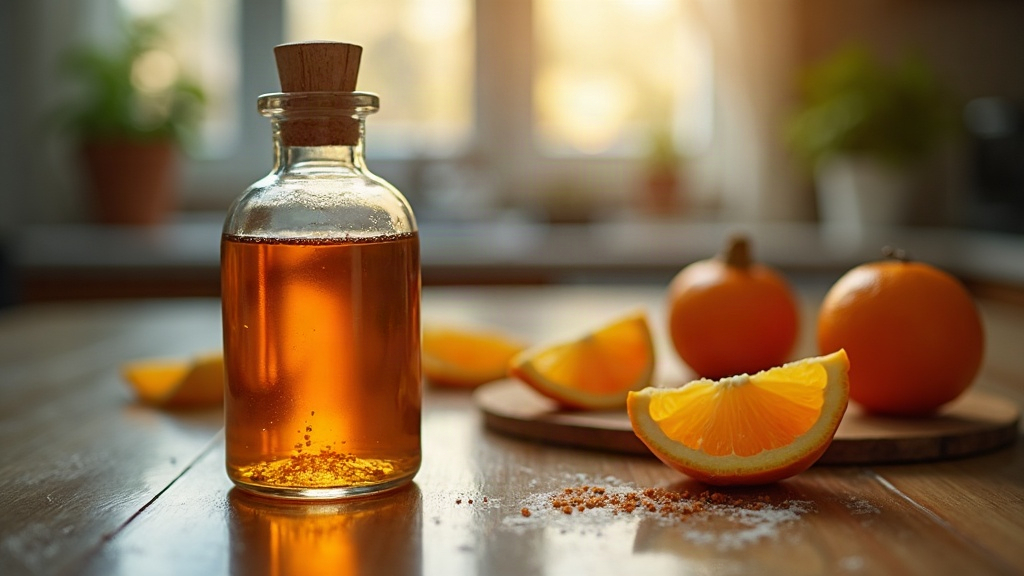
Long before it had a name on a label, Biblical drink (oil)/ Honey blend sat quietly on breakfast tables. This page looks at the everyday habits people build around their morning meal, and where this old kitchen blend fits into that larger, ordinary story.
It’s 6:45 in the morning and the kitchen light is still the only one on in the house. Coffee is already dripping, but the real decision — what actually goes on the plate — hasn’t been made yet. For anyone who has spent months or years paying closer attention to how food fits into the day, that pause in front of an open refrigerator is familiar. It isn’t dramatic. It’s just repetitive, quietly wearing, and easy to underestimate.
The stretch between one and three in the afternoon can feel like wading through fog — focus scatters, the desk chair feels heavier, and getting through the rest of the workday takes noticeably more effort than the morning did.
Even after a full night's sleep, some mornings start slow and heavy, as if the body needs an extra hour that the clock simply doesn't allow for.
Standing in the grocery aisle scanning labels, or hesitating over a second helping at dinner, becomes its own quiet routine — never quite sure which choice is the reasonable one.
Breakfast, lunch, and dinner each arrive as a fresh decision to be made, three times a day, every day — and that repetition adds up to a kind of fatigue that has nothing to do with hunger.
Conversations about food at the family table have a way of turning into folklore — repeated so often that nobody remembers where the idea actually came from. A few of the most common ones are worth pulling apart.
Any carbohydrate on the plate should be avoided outright.
Whole grains, legumes, and starchy vegetables behave differently depending on portion, pairing, and preparation. A registered dietitian can help map out which combinations make sense for an individual routine, rather than treating every carbohydrate the same way.
Fruit is basically sugar in disguise, so it’s safer to skip it entirely.
Whole fruit carries fiber and water that behave differently than juice or dried versions. Portion and timing tend to matter more than blanket avoidance — a point worth raising with whoever already manages your care.
Anything labeled ‘diabetic-friendly’ on the package is automatically the better choice.
Reading the actual ingredient list often matters more than the marketing on the front of the box. A simple plate of whole foods can be just as reasonable, and a doctor or dietitian can help sort the marketing from the substance.
None of this is about a single ingredient doing the work. It’s about small, repeatable habits that shape how a meal actually unfolds, from the first bite to the last.
Many home cooks have long favored eating vegetables and protein before moving on to bread, rice, or other starches — a simple ordering habit passed down more through practice than instruction.
Slowing the pace of eating, setting the fork down between bites, and treating a meal as something worth pausing for rather than rushing through is a habit that shows up again and again in traditional table customs.
A brief walk after eating — even just around the block or up and down a hallway — has long been part of everyday routines in many cultures. None of these habits replace medical guidance; they sit alongside whatever plan a doctor or dietitian has already put in place, not instead of it.
The pairing of oil and honey shows up repeatedly in old Mediterranean and Middle Eastern kitchens, long before either ingredient was sold in a labeled jar. Olive oil, pressed each autumn from local groves, and honey, gathered from nearby hives, were often drizzled together over warm flatbread as a way to start the day — a combination mentioned in agricultural writings and hospitality customs stretching back centuries. In many households, offering bread dipped in this blend to a guest was itself a gesture of welcome, tied more to generosity and shared meals than to any particular health practice. Monastery kitchens and family recipe books alike preserved versions of the pairing simply because it was practical, filling, and easy to prepare with what was already on hand.
The historical record treats this pairing as a pantry staple and a gesture of hospitality — a spoonful over warm bread — never as a remedy. That distinction matters when separating food history from modern health folklore.
When energy feels like it rises and falls sharply within the same day, disrupting focus or work, that pattern is worth describing in detail at your next appointment with the doctor who oversees your care.
Persistent grogginess despite what seems like adequate sleep isn't something to diagnose on your own — it's worth mentioning to your healthcare provider so they can look at the full picture.
If uncertainty about what belongs on the plate keeps coming up meal after meal, a dietitian or your treating physician can help build a clearer, personalized plan.
Before adjusting meal timing, portions, or ingredients in a way that could interact with medication or a prescribed treatment, check first with the professional who prescribed it — never adjust it independently.
Noticeable changes in hunger or thirst are worth flagging rather than explaining away — bring them up with your doctor at the next opportunity.
If decision fatigue around meals feels overwhelming on a regular basis, it's reasonable to raise that with your care team, who may be able to loop in a dietitian for extra support.
These are individual accounts shared for illustrative purposes only. They describe personal routines and habits, not medical outcomes, and are not a guarantee of any particular experience. Individual results vary.
The presentation walks through the history, the habits, and the everyday details covered on this page in more depth. This page is educational and doesn’t replace the guidance of the doctor or dietitian already managing your care — no dietary or treatment change should be made without talking to them first.
Advertising Disclosure: This page contains sponsored content and affiliate links. The operator of this website may receive compensation when visitors click on links or make purchases through links provided on this page. This compensation may impact how and where products are presented, but it does not influence the educational information provided.
Content Disclaimer: The content on this page is provided for general educational and informational purposes only. It has not been evaluated by the Food and Drug Administration. Nothing on this page is intended to diagnose, treat, cure, or prevent any disease or medical condition, and it is not a substitute for professional medical advice, diagnosis, or treatment. Always consult a qualified healthcare professional before making any changes to your diet, routine, or any prescribed treatment, including medication.
Results Disclaimer: Individual results and experiences vary from person to person. Any testimonials or personal accounts shared on this page reflect individual opinions and routines and are not a guarantee of any particular outcome or result.
© 2026 · All Rights Reserved